Is Burkina Faso Facing Collapse?
Abstract This paper addresses the deteriorating internal security situation in Burkina Faso, attributed to escalating…


The article discusses Israel’s multifaceted post-conflict challenges in Gaza, including security management, differences with allies on control, addressing Hamas’ influence, and ensuring humanitarian and governance stability in the transition period.

A report examining the alarming rise in online incitement on Telegram by extremists in the West Bank, linking it to increased terrorist attacks in the region.

The analysis examines rising threats and violence against Jewish and Israeli targets worldwide, especially linked to the Gaza campaign and actions by Hamas and other jihadist groups.


Navigating Extremism in the Era
of Artificial Intelligence
The paper investigates the far-right’s use of AI, highlighting societal concerns since ChatGPT’s 2022 release. A 2023 survey underscores apprehension over AI’s potential misuse. The study, monitoring far-right channels from April to July 2023, reveals their focus on exploiting AI for extremist purposes, including autonomous attacks and misinformation campaigns. It uncovers antisemitic and conspiratorial views within far-right discussions, particularly attributing AI censorship to Jewish individuals. The research serves as a warning to policymakers and security bodies about the far-right’s AI exploitation, emphasizing the need for proactive countermeasures.
Cutting edge research on terrorism, counter-terrorism, and global political trends!
Abstract This paper addresses the deteriorating internal security situation in Burkina Faso, attributed to escalating…
Abstract This paper aims to analyze the link between organized crime and jihadist terrorism in…

Abstract In the aftermath of Hamas’s violent assault on Israel on October 7, 2023, and…

Abstract This report investigates a sophisticated and extensive coordinate network orchestrating a disinformation campaign targeting…

Abstract This article examines a thwarted Hezbollah terror plot targeting Jewish sites in Brazil, orchestrated…

Abstract This paper analyzes the dissolution of the G5 Sahel alliance, a regional cooperative framework…
Abstract This article examines the recent intrusion of Hamas on the international terrorist arena, following…

First published by the Combating Terrorism Center at West Point January Sentinel Volume 17, Issue 1 Abstract…
Swords of Iron War Real-Time Analysis
On October 7, 2023, Hamas launched a large-scale attack on southern and central Israel, starting with a massive rocket barrage and infiltration operations around the Gaza Strip. This led to over 1,400 Israeli deaths and over 13,000 injuries, making it one of the deadliest terror attacks in recent history, with 242 hostages taken, including 30 children. Since then, 121 hostages have been released, and 136 hostages are still in Hamas captivity. Israel declared war for the first time since 1973, initiating Swords of Iron War to counter Hamas. As the war continues to unfold, the ICT provides ongoing analysis, including insights, interviews, and live updates on the crisis.


The ICT Online Internship Program offers a unique opportunity to gain professional experience, boost your career profile, build an international professional network and expand your skill set.
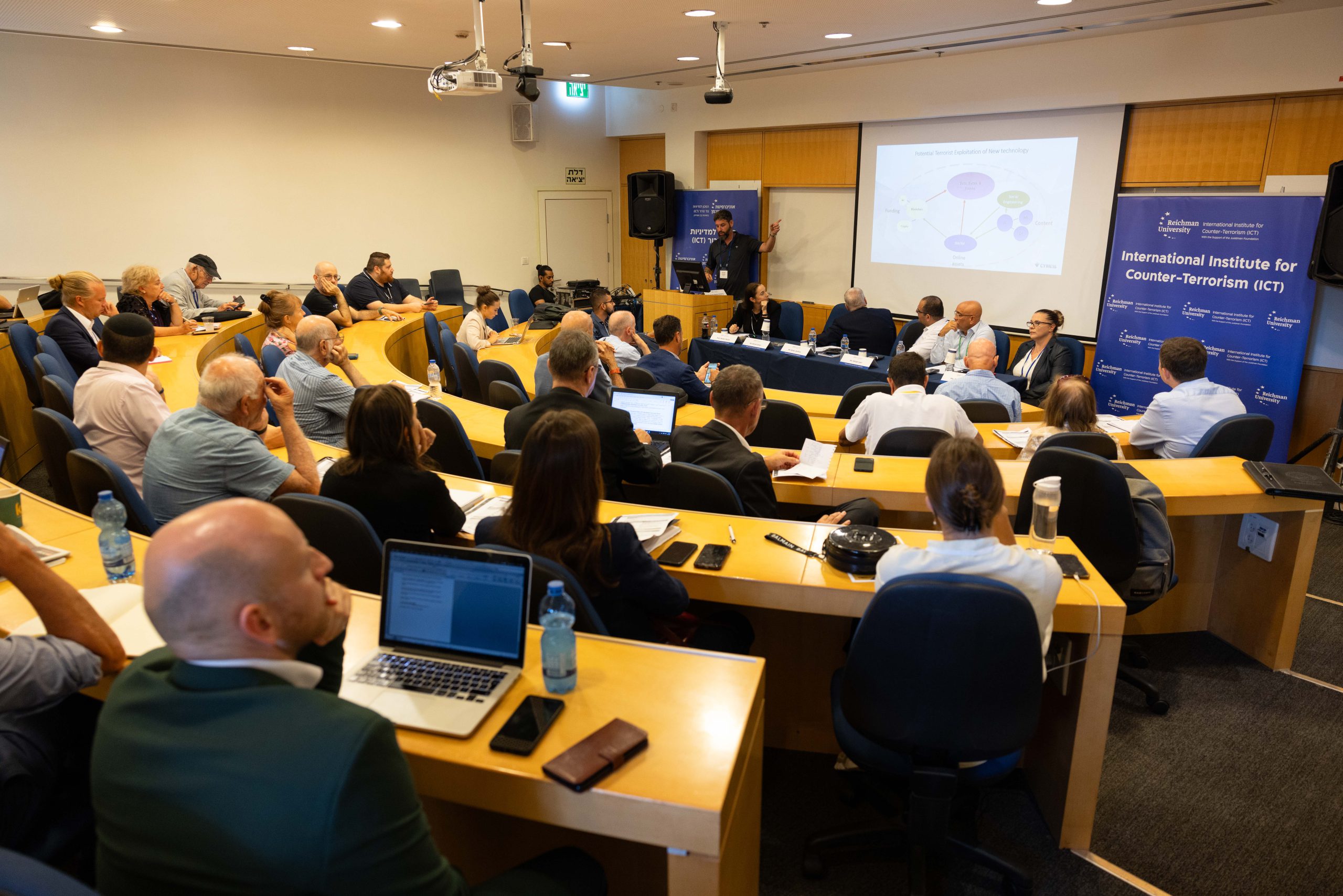
This executive program offers a comprehensive, multidisciplinary approach to learning about central issues in counter-terrorism and homeland security, combining academic theory with practical experiences like simulations and on-site briefings for experts in the field.
September 10-12, 2023


Brig. Gen. (Res.) Yaron Rosen, former head of the IDF Cyber Staff and current fellow at the ICT, shared his insights on Iran’s increasingly extreme rhetoric regarding Israel.
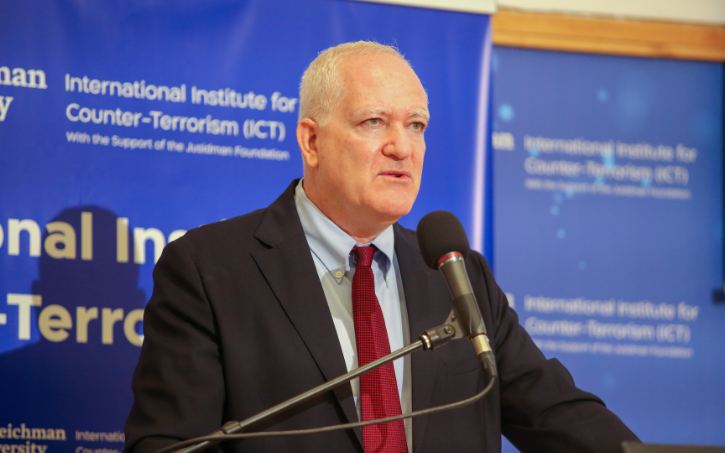
Professor Boaz Ganor offered analysis of Iran’s intentions, the effect of sanctions on the regime, and ultimately arguing that a “new NATO” is necessary to combat the regime.

Col. (Res.) Reuven Ben-Shalom published an article on the importance of “Military Diplomacy” as a tool of statecraft.